
Tailored target and mechanism studies
Functional genomics
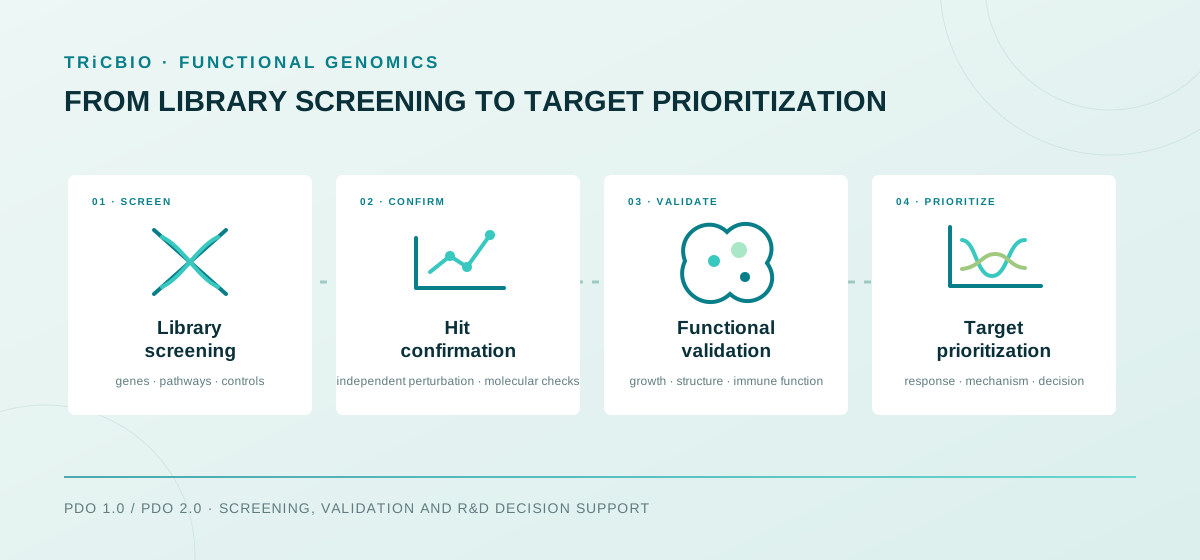
Test a defined biological hypothesis by linking genetic perturbation and molecular confirmation to functional phenotypes and treatment response.
Function & mechanism
How do genetic changes affect drug response?
Compare pathway, phenotype and drug-response changes after gene perturbation. Test the mechanistic explanation with a second perturbation, a rescue study or an independent model.
Perturbation foundation
Establish perturbation, then test the target hypothesis
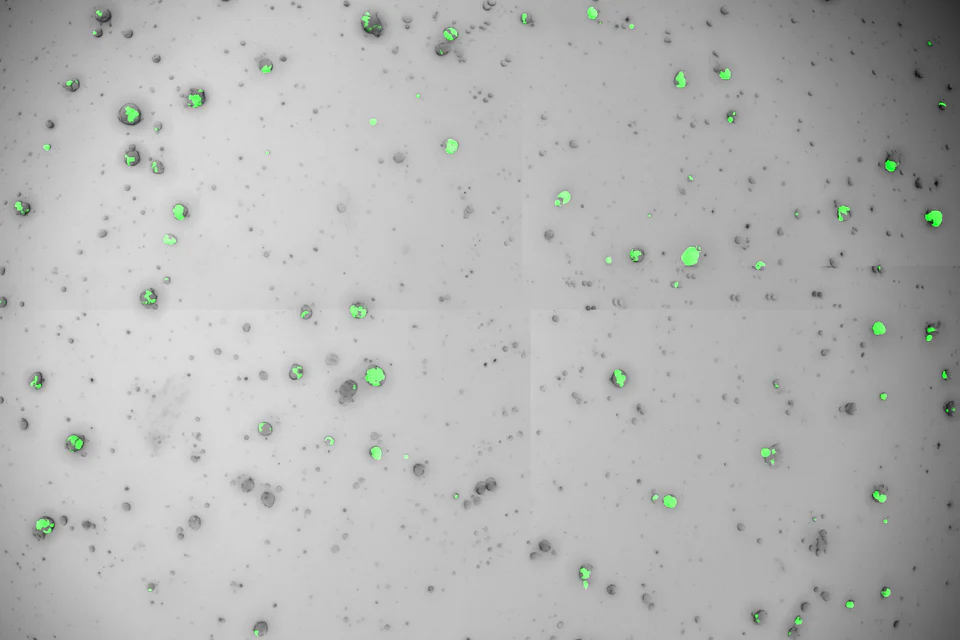
Functional-genomics studies begin with a confirmed perturbation, then connect molecular change to phenotype and candidate response. This HCC organoid lentiviral study shows the delivery and expression foundation available for that starting point.
Explore gene delivery and perturbation ↗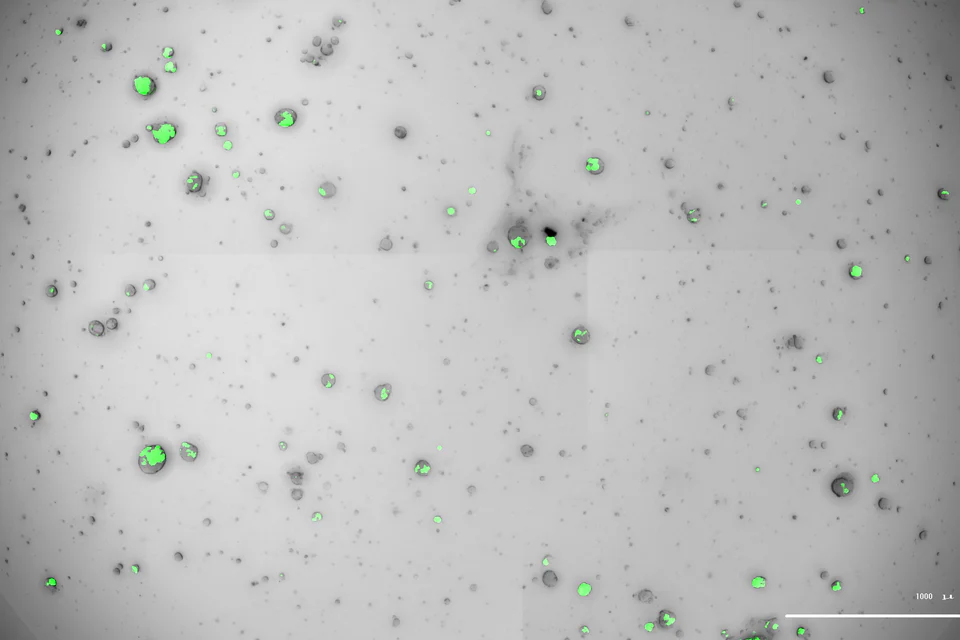
Study applications
Where functional genomics adds value
Explain resistance, sensitivity or combination mechanisms
Move from a screen hit into independent functional validation
Study workflow
Connect genes, phenotype and candidate response
Define the biological hypothesis
Define the target, pathway, phenotype or treatment response to be explained and select a human-relevant model with the appropriate context.
Choose perturbation and confirmation methods
Evaluate knockdown, overexpression, pharmacological or other perturbation strategies for the target and model, with molecular, RNA or protein confirmation.
Compare phenotype and treatment response
Compare morphology, viability, barrier, apoptosis or pathway readouts before and after perturbation and treatment.
Validate and extend the mechanism
Confirm key findings with a second perturbation, rescue study or independent model before extending into combinations or multi-omics.
Deliverables
Connect target, pathway and functional phenotype results
- Study hypothesis, model and perturbation plan
- Perturbation confirmation, phenotype and treatment-response data
- Mechanistic interpretation, orthogonal validation and recommended follow-up studies
Related models
Select the model by biological context
Select models, perturbations and assay endpoints around the target and phenotype, then use orthogonal confirmation to test and refine the mechanistic hypothesis.
PROJECT DISCUSSION
Test a target hypothesis in human organoids
Share your target, available model or data, planned intervention and candidate. Our scientists will design a study that links target modulation to functional phenotype, treatment response and orthogonal confirmation.