
Candidate target validation
Does perturbing the target change a disease-relevant phenotype, and what supports further investment?
Target discovery services · Functional genomics
Connect tumor-intrinsic mechanisms with microenvironmental function through PDO 1.0 and PDO 2.0 platforms for target discovery, genetic library screening and functional validation.
Build the target-discovery program around your R&D objectives, connecting model selection, genetic perturbation and functional validation through clear milestones and deliverables.
R&D decisions
Does perturbing the target change a disease-relevant phenotype, and what supports further investment?
Which genes may be required in a defined molecular background, and how selective are those dependencies?
Which changes accompany resistance, and which interventions merit combination studies?
How could perturbations in tumor or immune cells affect recognition and killing, and which models and readouts can test those effects?
PDO 1.0 + PDO 2.0 · Complementary research platforms
Either platform can provide a starting point for target research. Match models, perturbations and functional readouts to the question, with standalone studies or discovery and validation across complementary systems.
PDO 1.0
Design candidate-gene validation, genetic library screening and resistance studies around tumor-cell growth, survival and drug response, connecting targets to tumor phenotypes.
Compare PDO 1.0 and PDO 2.0 ↗PDO 2.0 / ALI
Use tissue architecture, immune composition and molecular features to frame microenvironment-associated target hypotheses and design studies of tumor–immune interactions, immune recognition and killing, and drug response.
Explore PDO 2.0 / ALI ↗Frame hypotheses from disease and molecular context, screen candidates in the model and assay context that fits the question, and connect PDO 1.0 tumor phenotypes with PDO 2.0 microenvironmental readouts for functional validation and target prioritization.
Genetic library screening & target prioritization
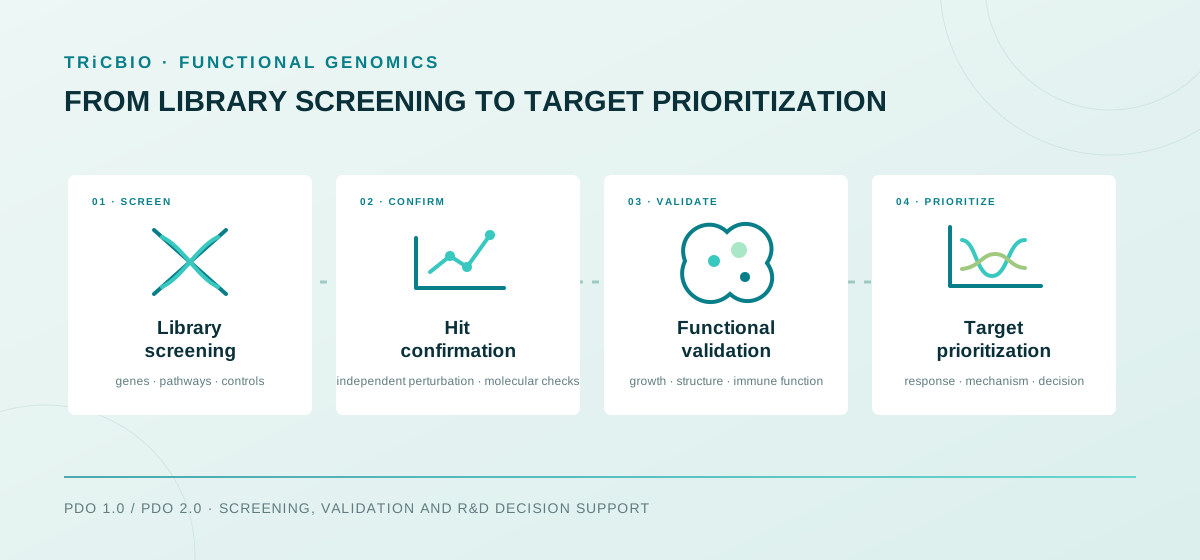
Design organoid perturbation and library-screening studies around disease mechanisms, drug sensitivity and resistance. Connect molecular features, functional phenotypes and independent validation to discover and prioritize candidate targets.
PDO 1.0 / PDO 2.0
Match the research questionGenes, pathways & controls
Define screening scopeDelivery & perturbation checks
Establish study groupsSequencing or phenotype
Prioritize candidate hitsTumor & microenvironment readouts
Inform R&D decisionsConnect perturbations with growth, survival and drug response to identify candidates for validation.
Design focused libraries around disease-associated pathways or candidate gene sets to identify potential dependencies affecting organoid growth and survival.
Compare perturbation effects between drug-treated and control conditions to explore sensitivity, resistance mechanisms and combination strategies.
Plan independent perturbations, molecular confirmation, functional assays and validation in additional models to inform target prioritization.
Study design considers genetic perturbation strategies such as CRISPR or RNA interference. The target gene set, model characteristics and pilot data guide library selection, screening scale, controls and sequencing or phenotypic readouts.
Discuss a library-screening study ↗TRiCBIO study results
01 · Target-informed model selection
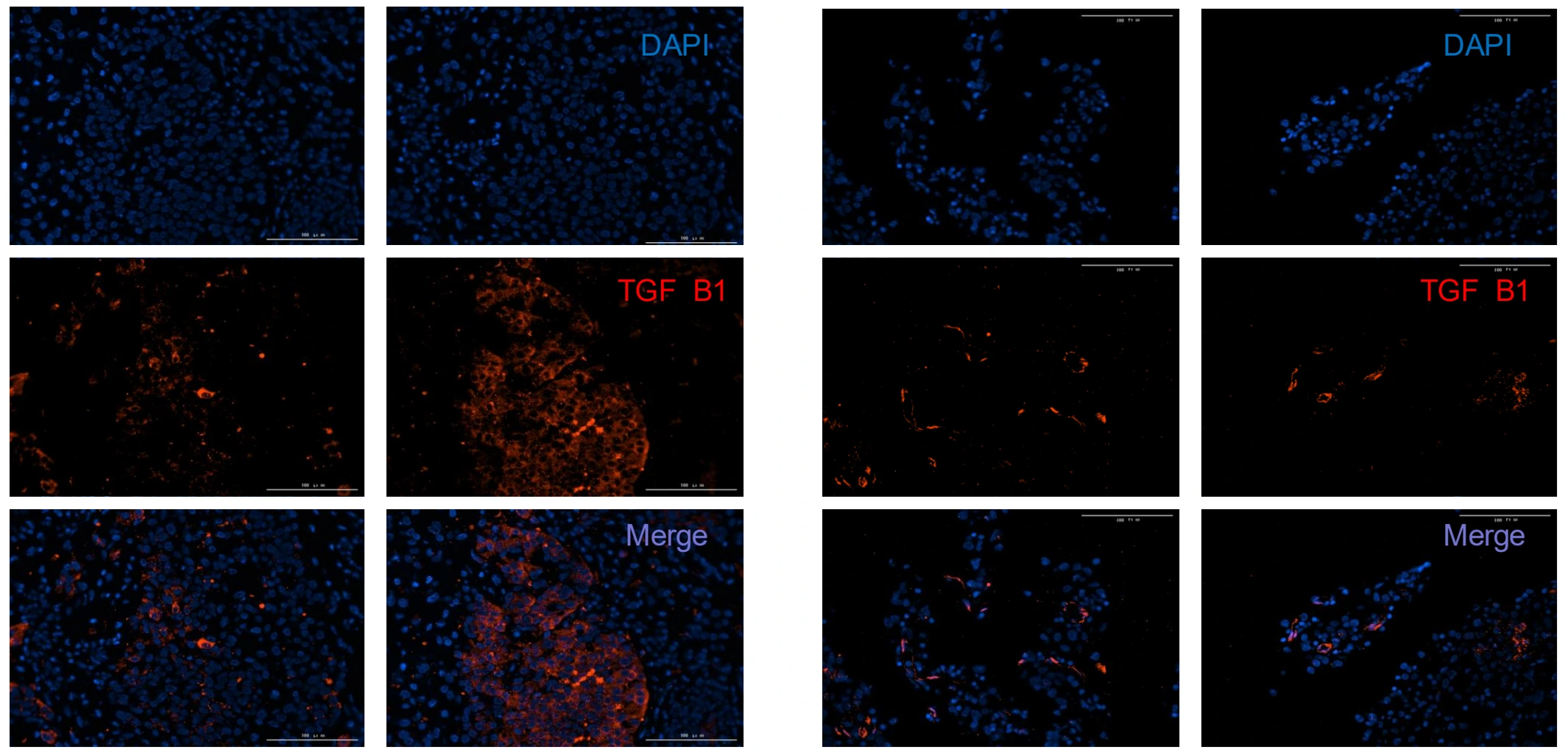
Comparing TGF-β1 expression across candidate tissues under the same staining conditions helps select samples representing different target-expression backgrounds for subsequent PDO drug and mechanism studies.
Use these results to plan the target-expression backgrounds compared in the follow-on study.
 View image
02 · Gene delivery and expression
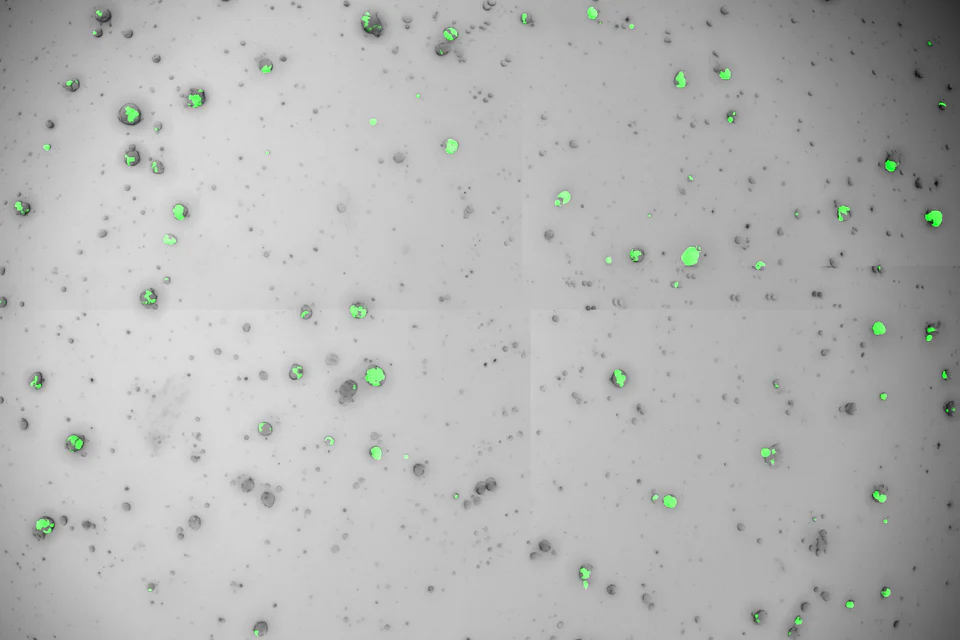
Comparing organoid morphology and expression signals under scramble shRNA and lncRNA shRNA conditions informs experimental conditions for molecular confirmation and functional studies.
Explore gene delivery and perturbation studies ↗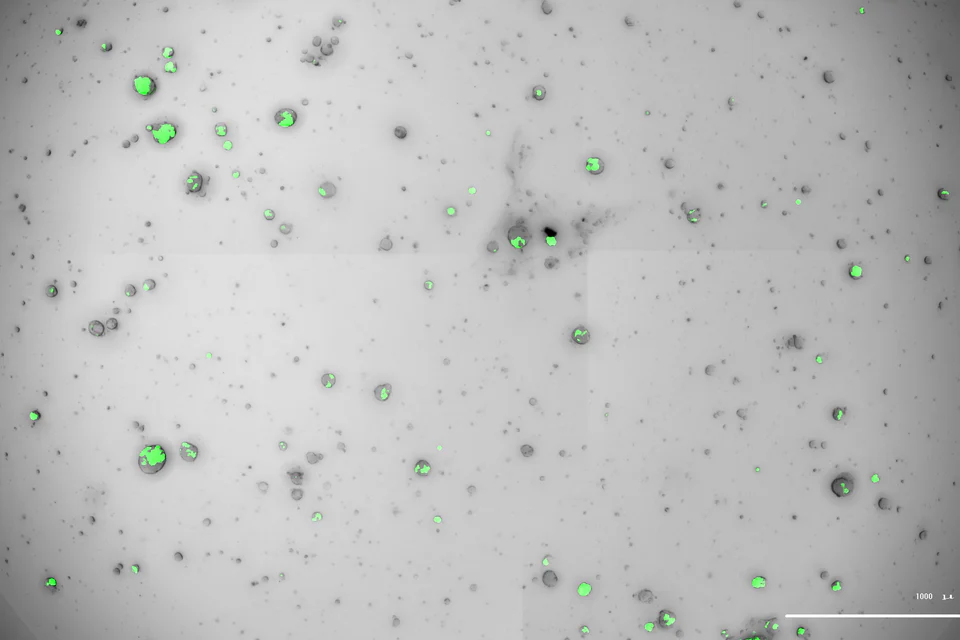 View image
 View image
03 · Cellular and molecular context
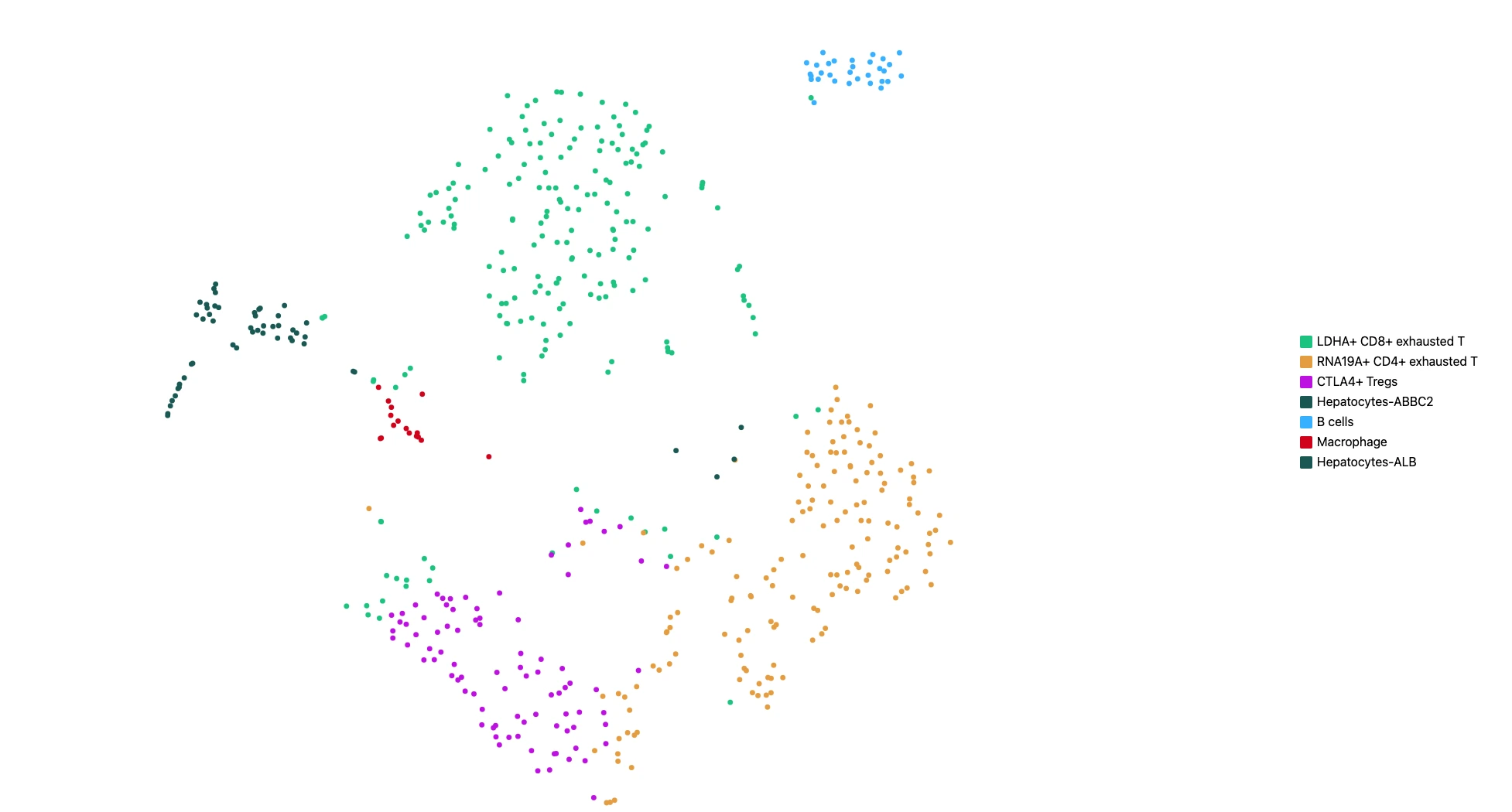
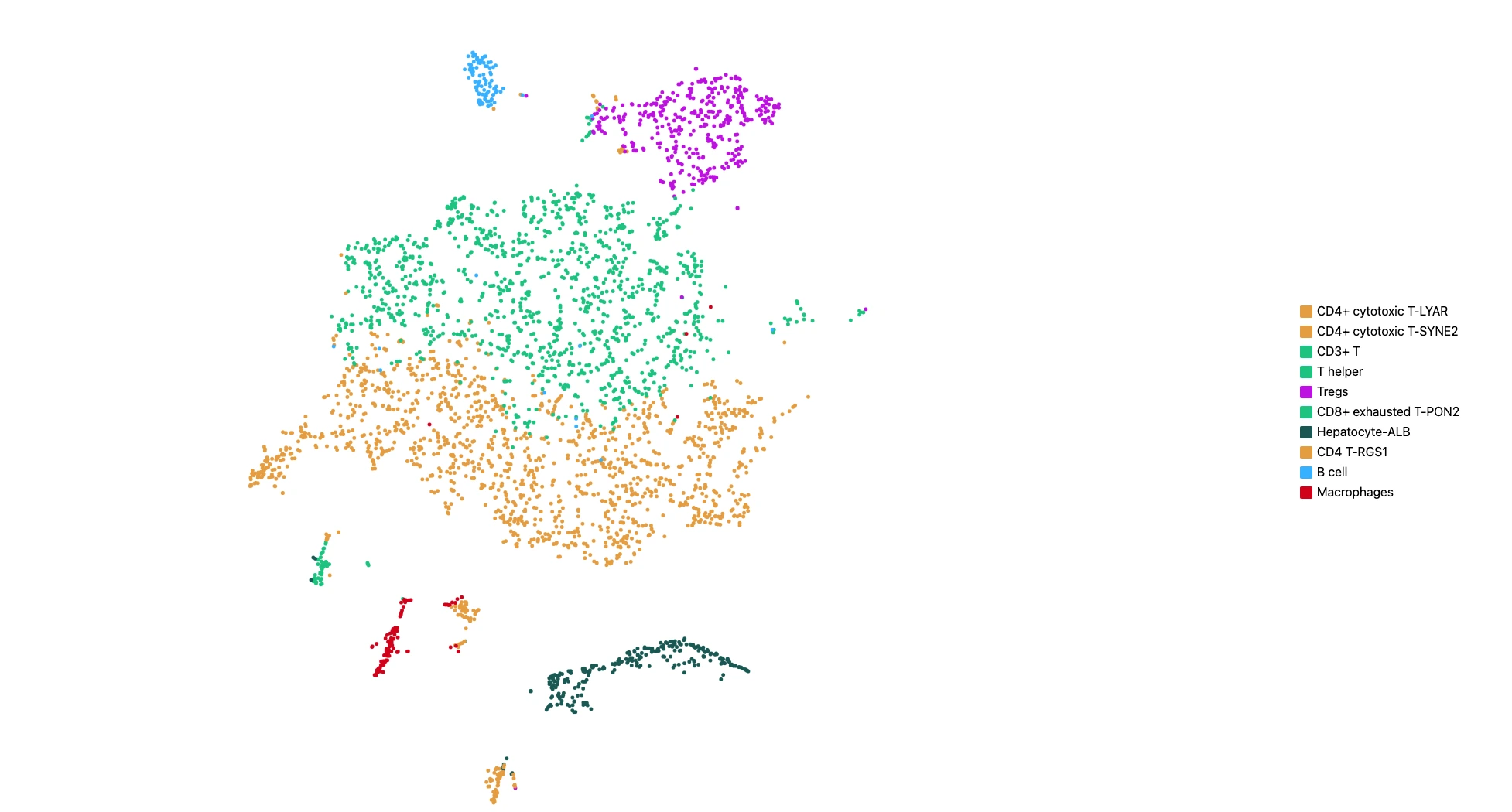
Paired single-cell profiling of liver cancer tissue and a PDO identifies T-cell-related groups, B cells, macrophages and other populations available to support immune-associated target research.
Use that cellular context to select readouts for mechanistic studies and drug evaluation.
 View image
 View image
Team research foundation
A Nature Medicine study involving a member of our team shows how candidate function can be tested: compare Igf2, miR-483 and their combination in Apc-deficient mouse colon organoids, then use histology, proliferation and invasion results to assess candidate driver function.
Li et al., Nature Medicine, 2014 · Fig. 5 ↗Ways to work together
Tailor models, screening and validation to your targets, drug candidates and R&D questions, with experimental data, analytical reports and recommendations for follow-up studies.
Discuss a target-discovery project ↗Combine complementary models, data, technology and drug candidates to discover and validate targets, investigate mechanisms and advance promising research programs.
Discuss R&D collaboration ↗Building on target evidence and drug-candidate research, explore a collaborative path from joint discovery and functional validation toward drug co-development.
Field developments
Three peer-reviewed Nature studies published in August 2026 highlight practical directions for study design: larger patient-derived model resources, genome-wide CRISPR screening in organoids, and dependency maps that include additional cancer subtypes and cell states.
These public studies primarily use PDO 1.0 and other NextGen 3D cancer models, offering useful benchmarks for model coverage, screening scale and hit validation. Questions involving tissue architecture, immune context or microenvironmental function can also be evaluated with a PDO 2.0 study design.
A resource of 665 patient-derived models across 25 cancer types, linked to clinical and multi-omic annotation for functional research.
A biobank of 256 characterized tumor organoids, with genome-wide CRISPR screens across 162 models mapping cancer dependencies.
A set of 147 genome-wide CRISPR screens in organoids and spheroids across 10 cancer types, extending DepMap to new molecular subtypes and state-associated dependencies.
For the initial discussion, share non-confidential disease context, candidate targets, available models or data, and the R&D decision you need to support.
Discuss a target-discovery projectTarget discovery services · Functional genomics
Connect tumor-intrinsic mechanisms with microenvironmental function through PDO 1.0 and PDO 2.0 platforms for target discovery, genetic library screening and functional validation.
Build the target-discovery program around your R&D objectives, connecting model selection, genetic perturbation and functional validation through clear milestones and deliverables.
R&D decisions
Does perturbing the target change a disease-relevant phenotype, and what supports further investment?
Which genes may be required in a defined molecular background, and how selective are those dependencies?
Which changes accompany resistance, and which interventions merit combination studies?
How could perturbations in tumor or immune cells affect recognition and killing, and which models and readouts can test those effects?
PDO 1.0 + PDO 2.0 · Complementary research platforms
Either platform can provide a starting point for target research. Match models, perturbations and functional readouts to the question, with standalone studies or discovery and validation across complementary systems.
PDO 1.0
Design candidate-gene validation, genetic library screening and resistance studies around tumor-cell growth, survival and drug response, connecting targets to tumor phenotypes.
Compare PDO 1.0 and PDO 2.0 ↗PDO 2.0 / ALI
Use tissue architecture, immune composition and molecular features to frame microenvironment-associated target hypotheses and design studies of tumor–immune interactions, immune recognition and killing, and drug response.
Explore PDO 2.0 / ALI ↗Frame hypotheses from disease and molecular context, screen candidates in the model and assay context that fits the question, and connect PDO 1.0 tumor phenotypes with PDO 2.0 microenvironmental readouts for functional validation and target prioritization.
Genetic library screening & target prioritization
Design organoid perturbation and library-screening studies around disease mechanisms, drug sensitivity and resistance. Connect molecular features, functional phenotypes and independent validation to discover and prioritize candidate targets.
PDO 1.0 / PDO 2.0
Match the research questionGenes, pathways & controls
Define screening scopeDelivery & perturbation checks
Establish study groupsSequencing or phenotype
Prioritize candidate hitsTumor & microenvironment readouts
Inform R&D decisionsConnect perturbations with growth, survival and drug response to identify candidates for validation.
Design focused libraries around disease-associated pathways or candidate gene sets to identify potential dependencies affecting organoid growth and survival.
Compare perturbation effects between drug-treated and control conditions to explore sensitivity, resistance mechanisms and combination strategies.
Plan independent perturbations, molecular confirmation, functional assays and validation in additional models to inform target prioritization.
Study design considers genetic perturbation strategies such as CRISPR or RNA interference. The target gene set, model characteristics and pilot data guide library selection, screening scale, controls and sequencing or phenotypic readouts.
Discuss a library-screening study ↗TRiCBIO study results
01 · Target-informed model selection
Comparing TGF-β1 expression across candidate tissues under the same staining conditions helps select samples representing different target-expression backgrounds for subsequent PDO drug and mechanism studies.
Use these results to plan the target-expression backgrounds compared in the follow-on study.
View image02 · Gene delivery and expression
Comparing organoid morphology and expression signals under scramble shRNA and lncRNA shRNA conditions informs experimental conditions for molecular confirmation and functional studies.
Explore gene delivery and perturbation studies ↗View imageView image03 · Cellular and molecular context
Paired single-cell profiling of liver cancer tissue and a PDO identifies T-cell-related groups, B cells, macrophages and other populations available to support immune-associated target research.
Use that cellular context to select readouts for mechanistic studies and drug evaluation.
View imageView imageTeam research foundation
A Nature Medicine study involving a member of our team shows how candidate function can be tested: compare Igf2, miR-483 and their combination in Apc-deficient mouse colon organoids, then use histology, proliferation and invasion results to assess candidate driver function.
Li et al., Nature Medicine, 2014 · Fig. 5 ↗Ways to work together
Tailor models, screening and validation to your targets, drug candidates and R&D questions, with experimental data, analytical reports and recommendations for follow-up studies.
Discuss a target-discovery project ↗Combine complementary models, data, technology and drug candidates to discover and validate targets, investigate mechanisms and advance promising research programs.
Discuss R&D collaboration ↗Building on target evidence and drug-candidate research, explore a collaborative path from joint discovery and functional validation toward drug co-development.
Field developments
Three peer-reviewed Nature studies published in August 2026 highlight practical directions for study design: larger patient-derived model resources, genome-wide CRISPR screening in organoids, and dependency maps that include additional cancer subtypes and cell states.
These public studies primarily use PDO 1.0 and other NextGen 3D cancer models, offering useful benchmarks for model coverage, screening scale and hit validation. Questions involving tissue architecture, immune context or microenvironmental function can also be evaluated with a PDO 2.0 study design.
A resource of 665 patient-derived models across 25 cancer types, linked to clinical and multi-omic annotation for functional research.
A biobank of 256 characterized tumor organoids, with genome-wide CRISPR screens across 162 models mapping cancer dependencies.
A set of 147 genome-wide CRISPR screens in organoids and spheroids across 10 cancer types, extending DepMap to new molecular subtypes and state-associated dependencies.
For the initial discussion, share non-confidential disease context, candidate targets, available models or data, and the R&D decision you need to support.
Discuss a target-discovery project