
Solutions & R&D services
Human organoid R&D services
From target discovery to candidate evaluation and safety, choose models and assays around your program goal, modality and available samples.
Discovery research
Discovery & validation
Screen or perturb targets in relevant human models, then examine phenotype and pathway changes.
 PDO 1.0 + PDO 2.0 · genetic-library screening01
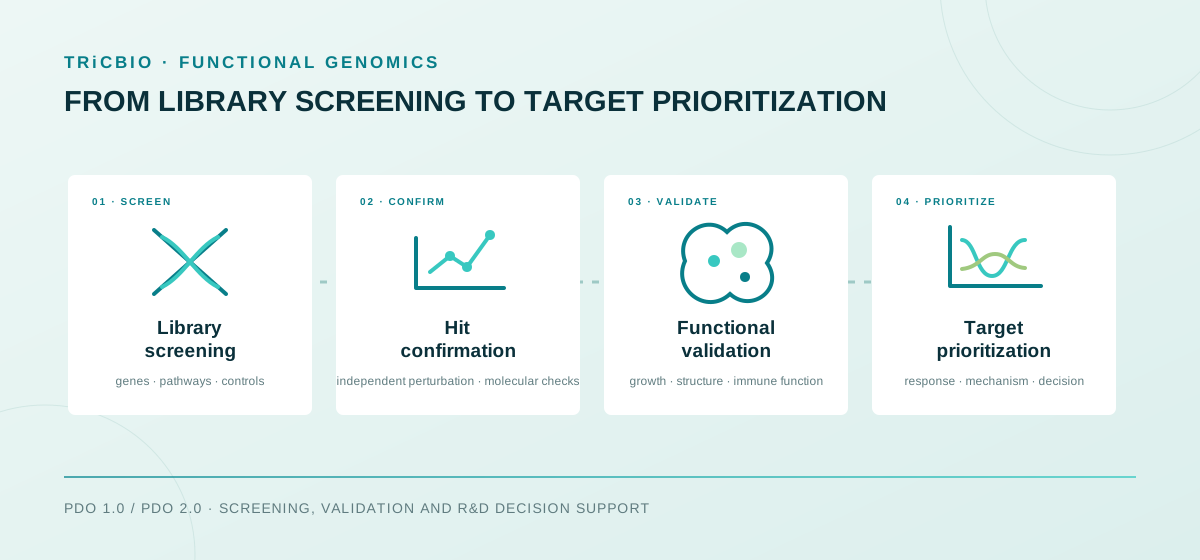
Organoid target discovery & functional genomics
Discover genetic dependencies through library screening in PDO 1.0 and PDO 2.0. Validate targets through tumor, microenvironment and treatment-response readouts.
↗ 02
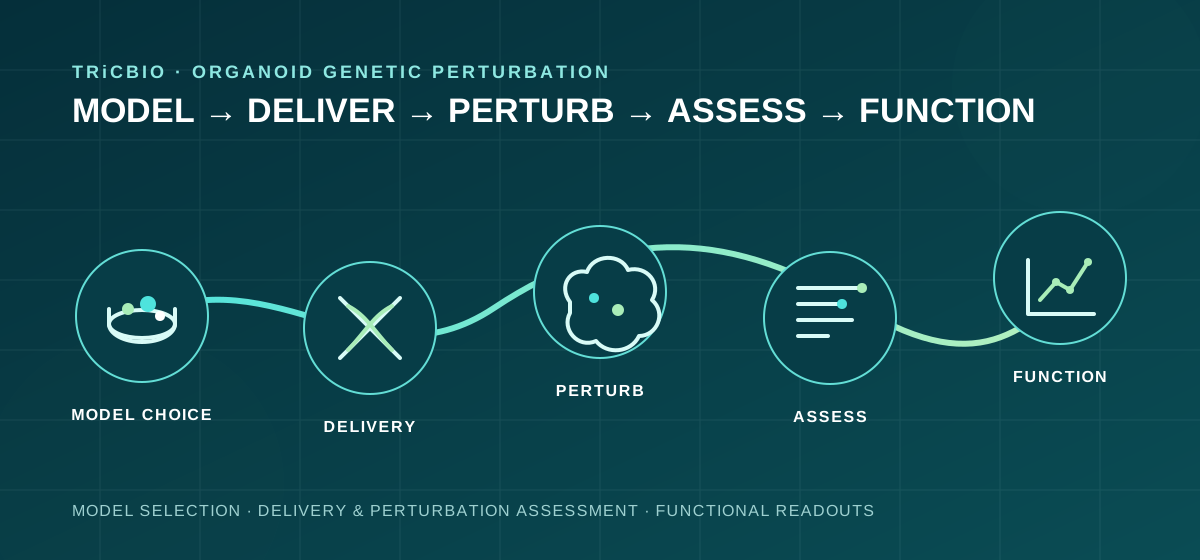
Target validation & mechanism studies
Test candidate targets in human organoids through disease phenotypes, molecular changes and treatment response.
↗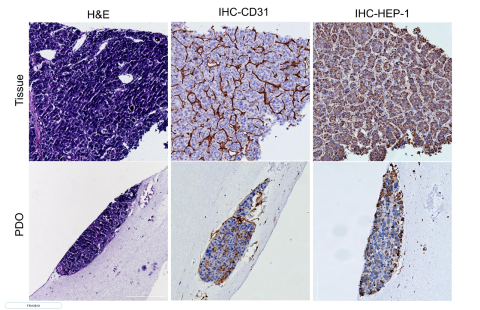 HCC tissue & PDO · H&E, CD31 & HEP-103
Mechanism & biomarkers
Link tissue, functional and molecular results to treatment response and prioritize biomarker candidates for validation.
↗ 04
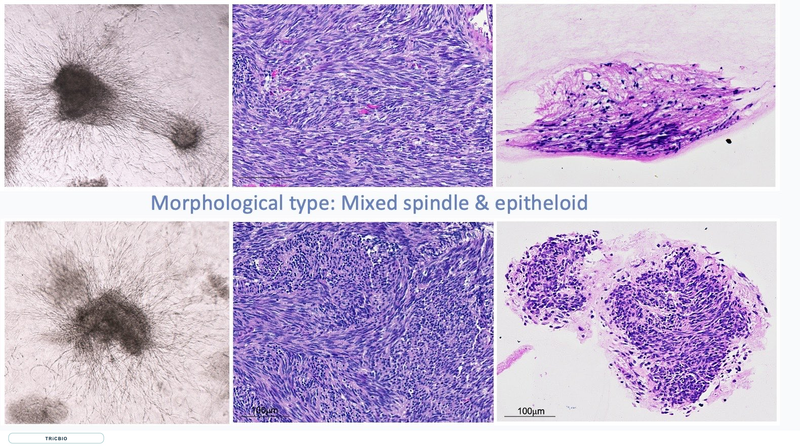
Custom model development
Develop a model and assay plan for specialized tissues, rare diseases or complex co-cultures, starting from the samples and endpoints available to your program.
↗Candidate studies
Candidate evaluation
Compare single agents, dose responses and combinations with modality-relevant efficacy, immune and mechanism readouts.
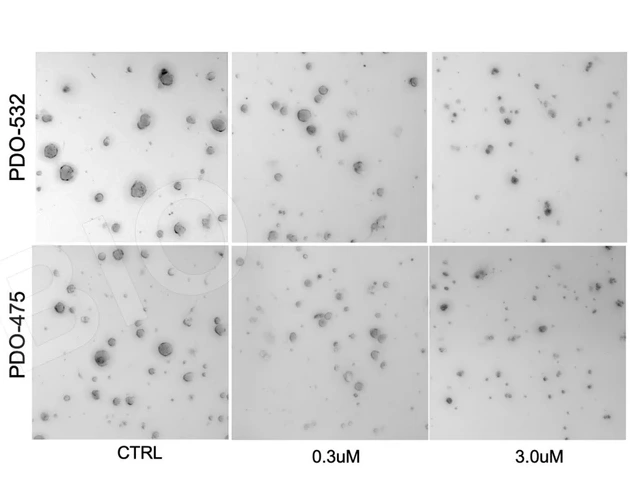 01
Organoid efficacy screening
Compare single agents and combinations in tumor PDOs and other selected human organoid models to identify dose responses and differences across models.
↗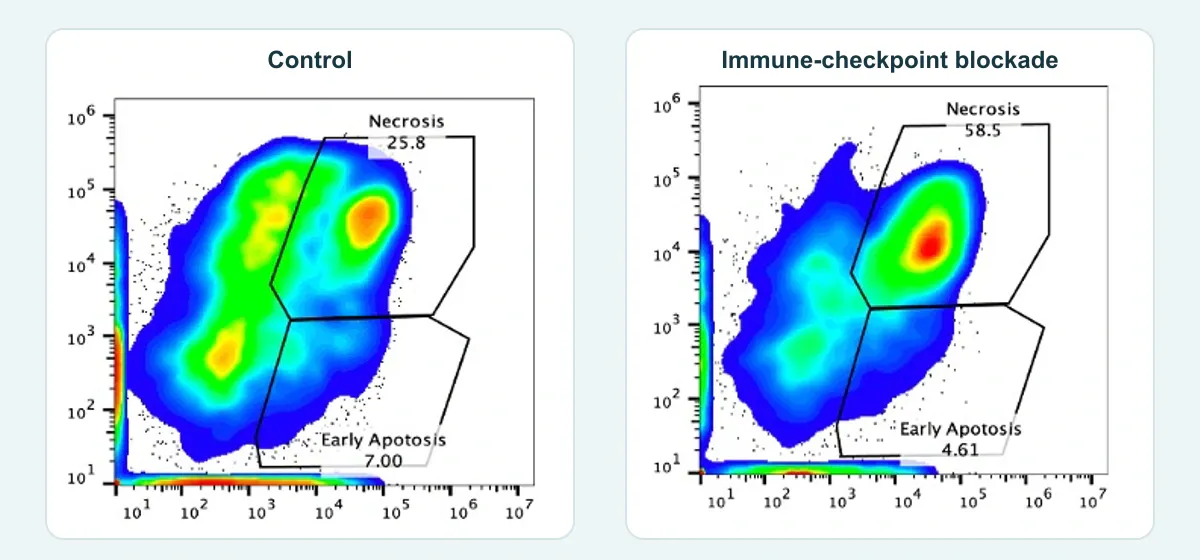 02
Immuno-oncology
Evaluate immune activation and tumor-cell killing in PDO 2.0 / ALI models or immune co-cultures, with tissue imaging and functional assays tailored to your candidate.
↗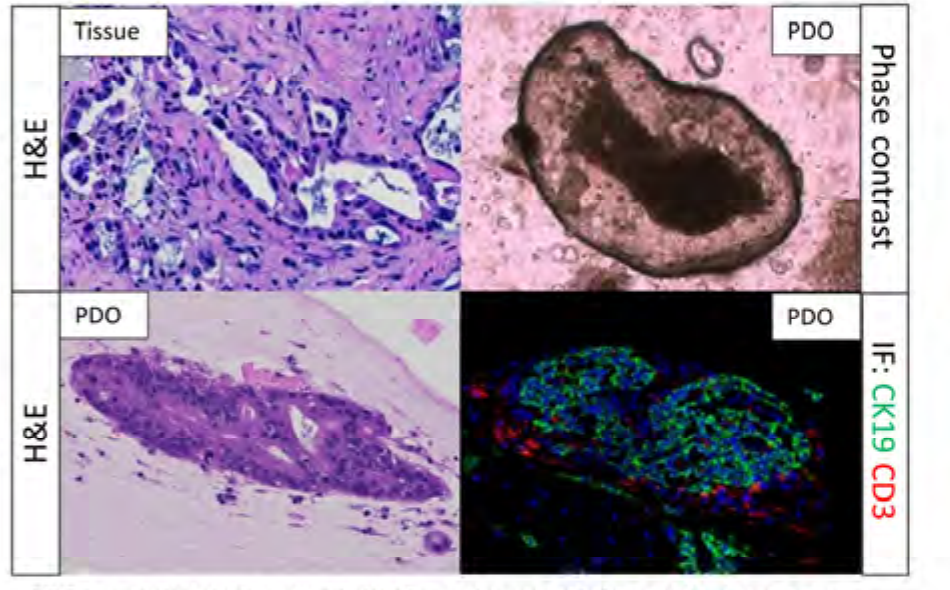 PDAC PDO 2.0 · CK19 and CD3 tissue profiling03
Antibody, multispecific & T-cell engager (TCE) studies
Compare tumor-cell killing, immune activation and cytokine changes for antibody, multispecific and TCE candidates in human tumor organoids and suitable immune co-cultures.
↗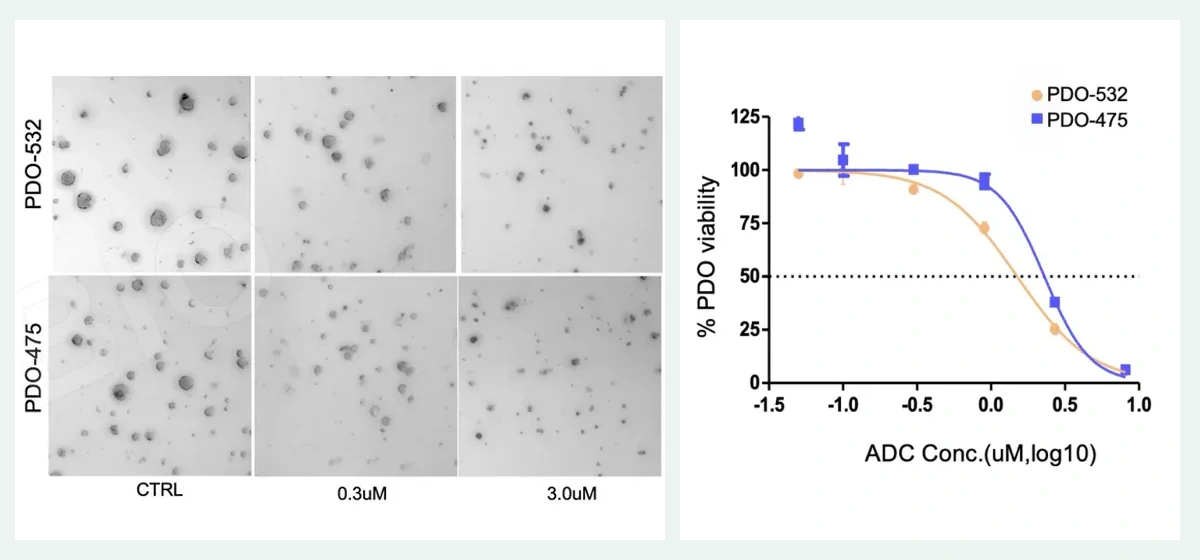 04
ADC research
Combine target expression, spatial distribution, cytotoxicity and bystander-effect readouts in an organoid study matched to the candidate ADC.
↗Safety & drug delivery
Safety & drug delivery
Examine in vitro injury-response windows, with barrier or transport assays where the study calls for them.
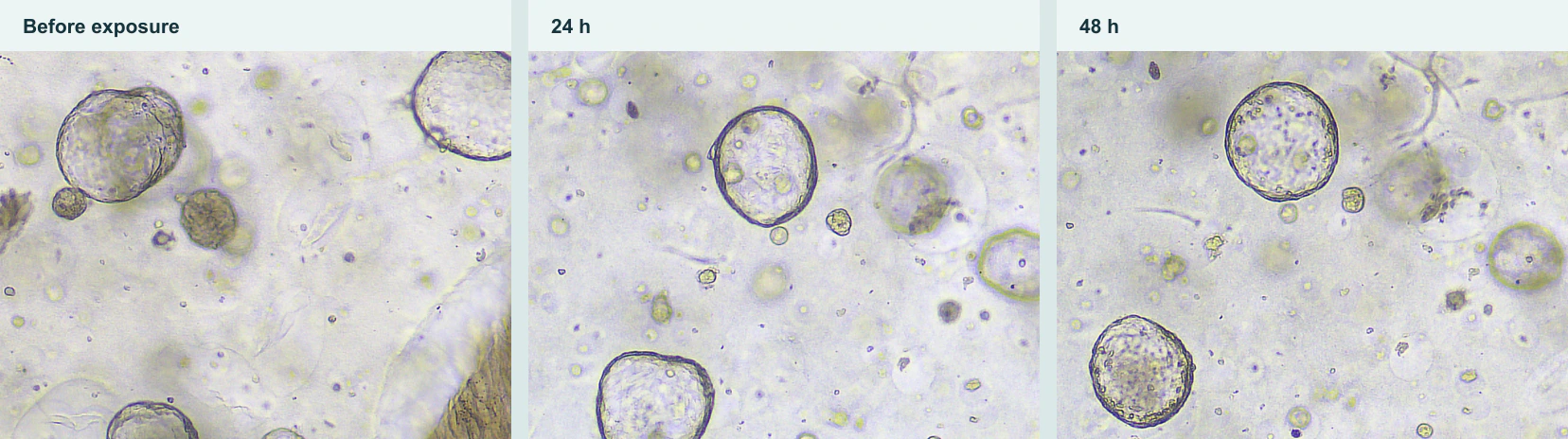 01
Safety & toxicology
Compare dose- and exposure-related responses in relevant normal-tissue organoids, using morphology, function and injury markers to investigate organ risk.
↗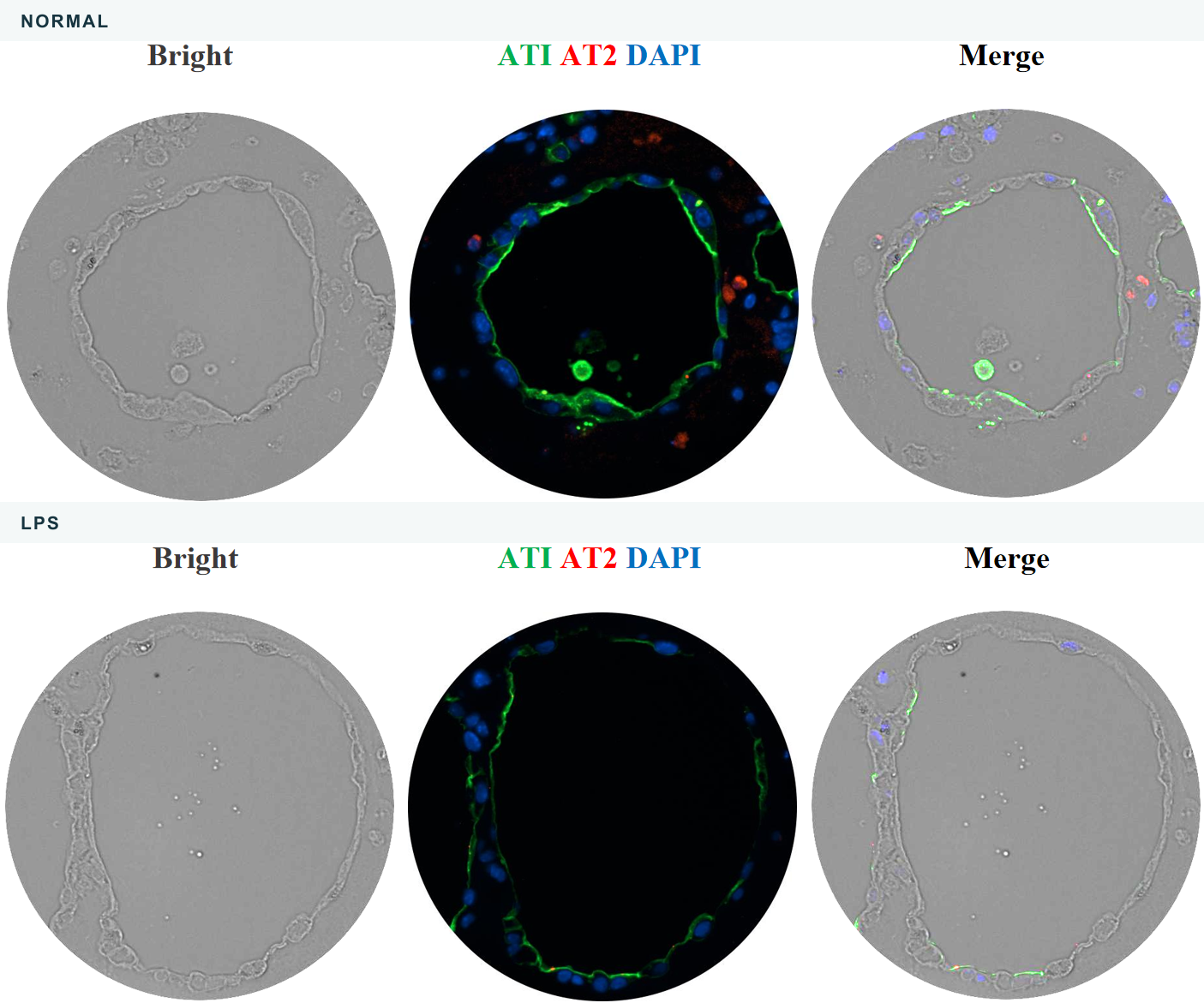 Normal lung · LPS injury
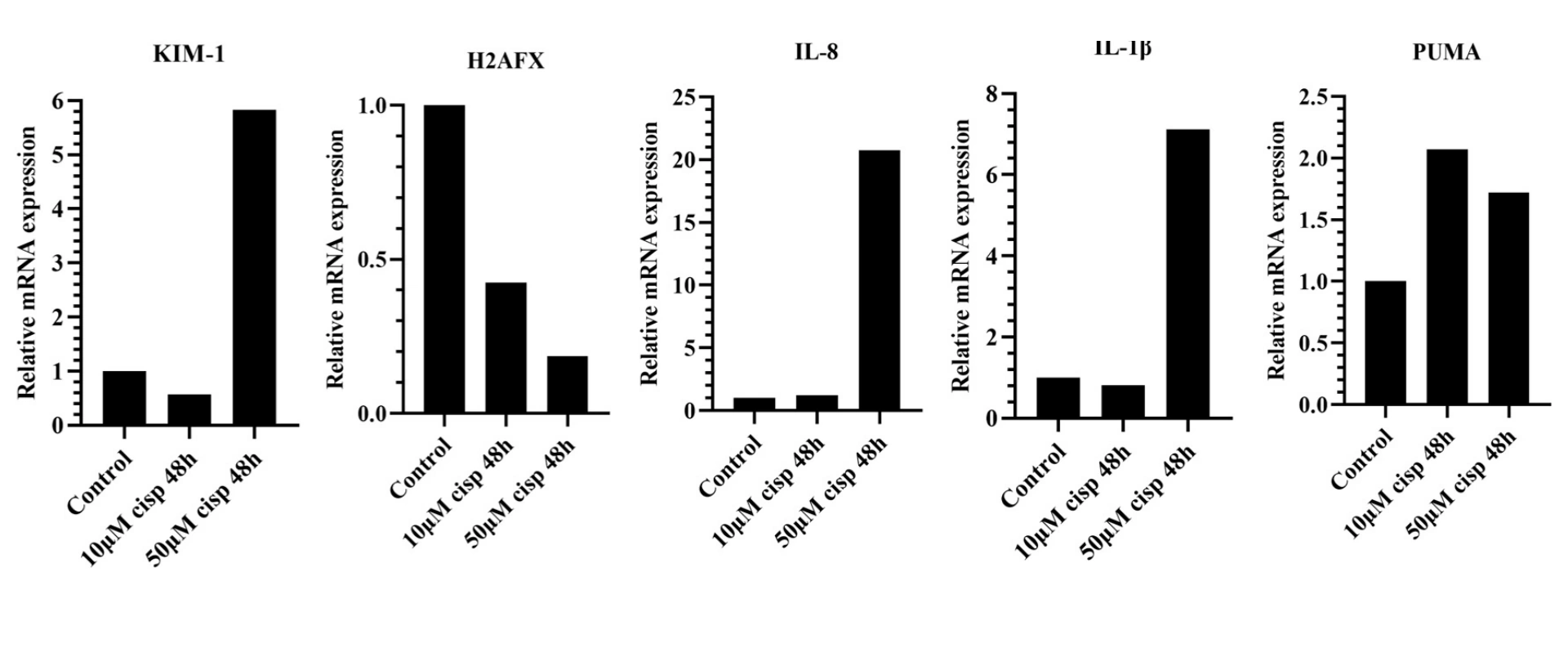 Human kidney organoid · cisplatin response02
Multi-organ safety in human organoids
Compare normal kidney, lung and GI organoids with adjacent non-tumor liver or other relevant models in a coordinated exposure design to rank organ risks and focus follow-up safety studies.
↗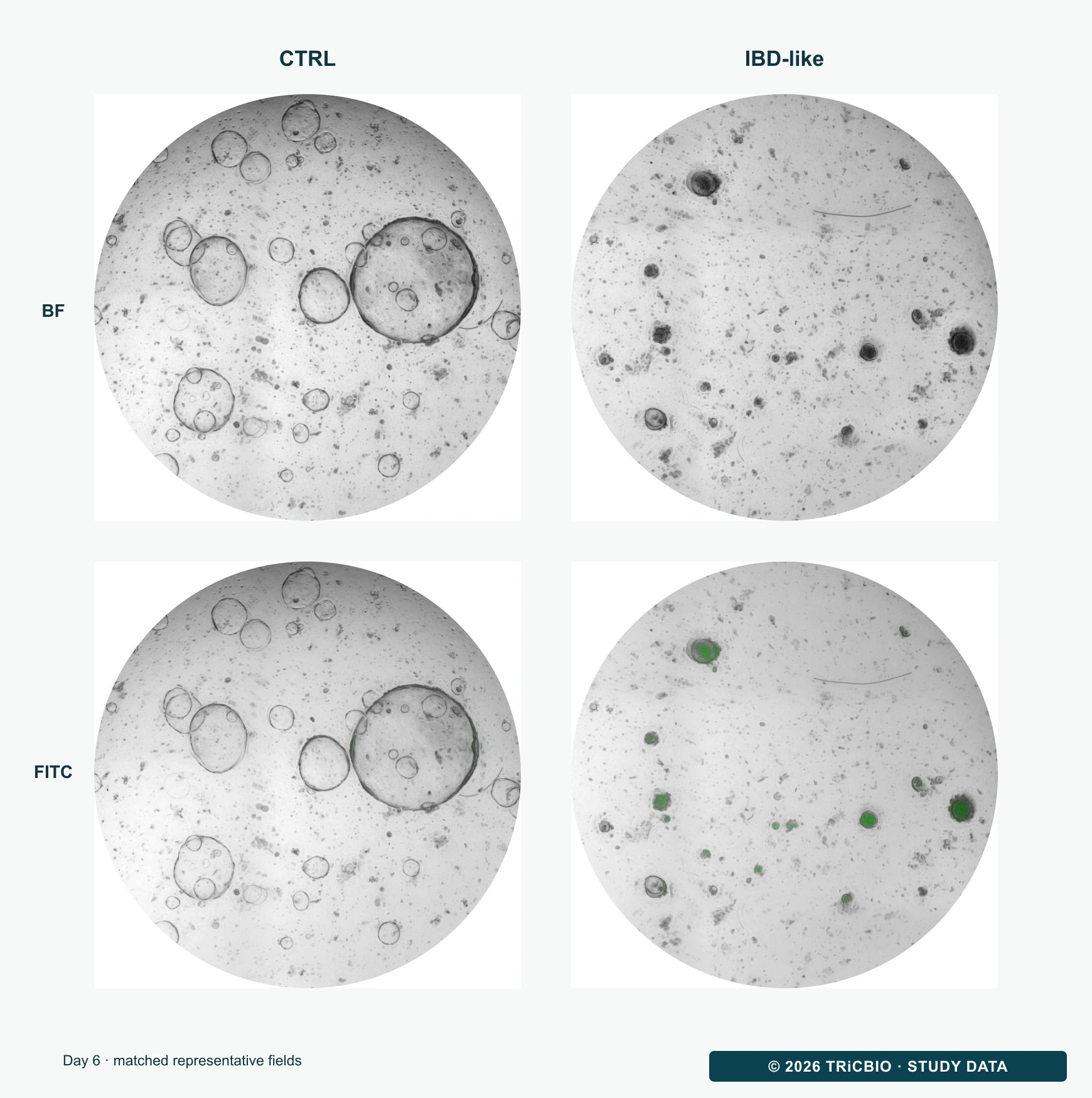 Human intestinal organoid · inflammation & barrier03
Drug delivery & barrier permeability
Assess barrier integrity, injury and repair, then develop permeability or candidate-transport assays for the relevant tissue system.
↗Tell us about your candidate, sample context and program priorities; our scientists will recommend the model, assay panel and study plan.